Visual Arts Digital Evolution Trends
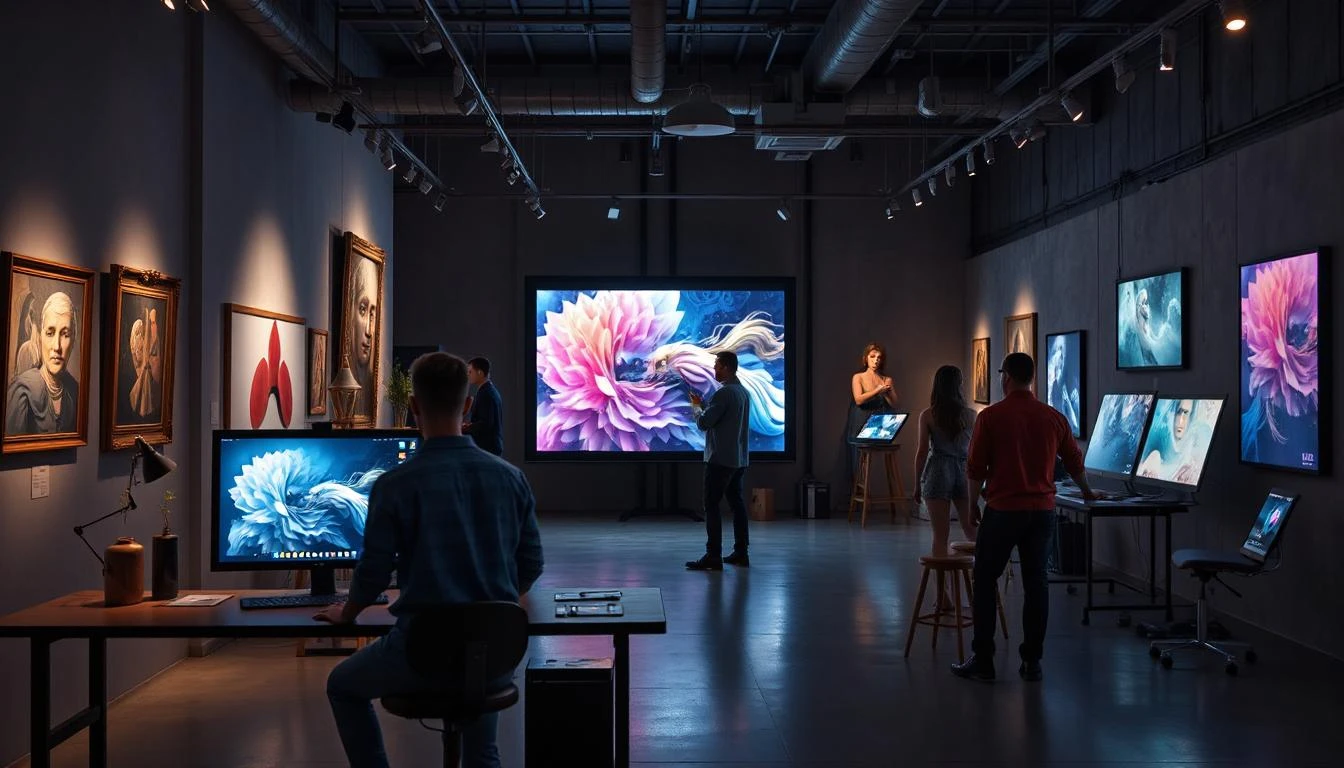
The visual arts industry is undergoing one of the most fascinating transformations in its history. Advances in technology, changing consumer behavior, and the rise of global digital marketplaces have created new opportunities for artists to reach audiences far beyond traditional galleries and exhibitions. As creative boundaries continue to expand, digital innovation is becoming a driving force behind how art is produced, distributed, and experienced.
Today, Visual Arts Digital Evolution is reshaping the relationship between creators, collectors, and audiences across the world. From artificial intelligence-assisted artwork and immersive virtual experiences to blockchain-based ownership systems, the modern art ecosystem is evolving into a dynamic environment where creativity and technology work together to unlock possibilities that were once unimaginable.
Digital Transformation in Visual Arts
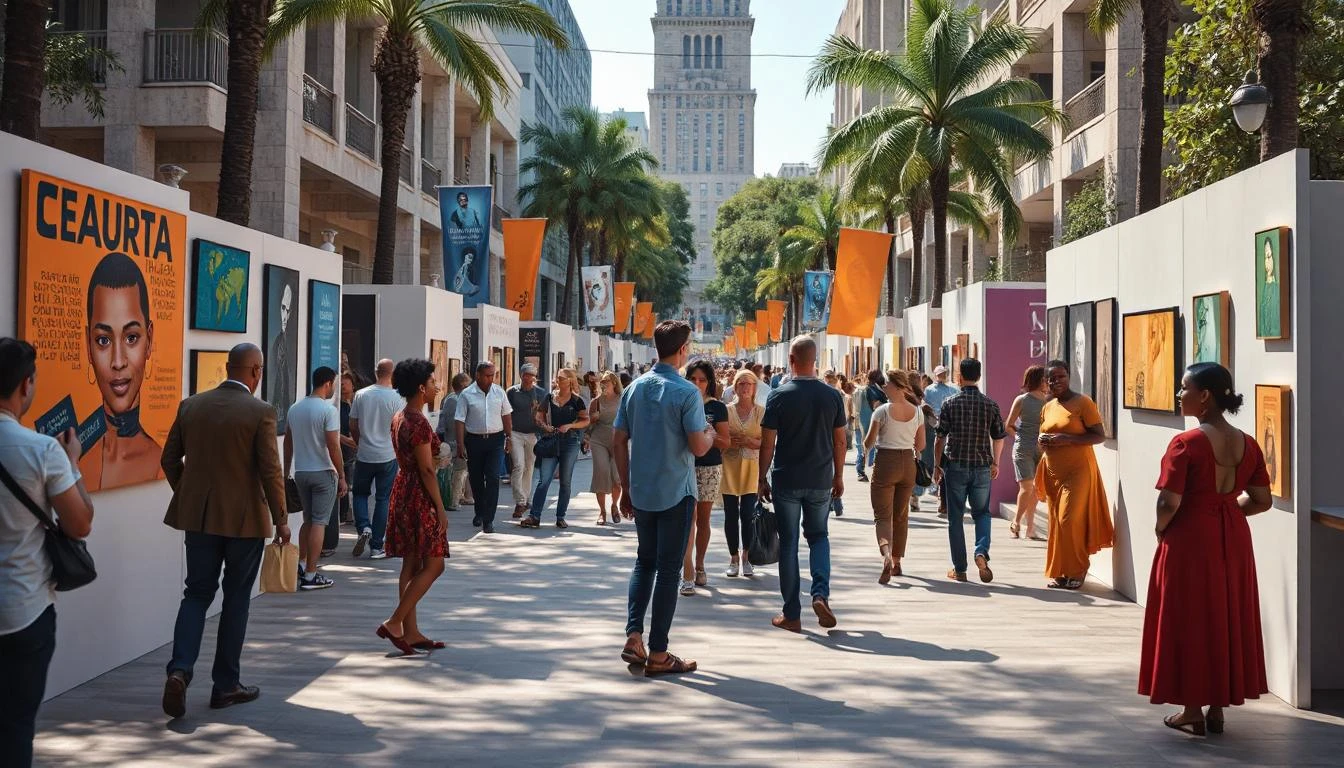
The world of visual creativity is changing at an extraordinary pace. What once depended heavily on physical galleries, traditional techniques, and local audiences has now expanded into a borderless digital ecosystem. Artists, collectors, brands, and creative entrepreneurs are all participating in a transformation that is redefining how visual content is created, shared, and valued across the global marketplace.
As the momentum continues to grow, Visual Arts Digital Evolution has become one of the most influential movements shaping the future of creative industries. From artificial intelligence and blockchain technology to immersive digital experiences, visual arts are no longer confined to conventional formats. Instead, they are becoming more interactive, accessible, and connected to worldwide audiences than ever before.
Among the most significant developments driving this transformation are digital art trends that continue to reshape artistic workflows and audience engagement. New technologies are empowering creators to experiment with innovative techniques while enabling collectors and consumers to discover artwork through entirely new digital channels.
Shift from Traditional to Digital Media
The transition from traditional artistic mediums to digital platforms has fundamentally altered the creative landscape. While painting, sculpture, and printmaking remain important forms of artistic expression, digital tools have introduced new possibilities that were unimaginable just a decade ago.
Today, artists can create detailed illustrations, animations, and immersive experiences using sophisticated software that allows unlimited revisions and experimentation. This flexibility encourages creativity while reducing production barriers. As a result, emerging artists can compete globally without requiring access to traditional institutions or physical exhibition spaces.
The growing adoption of digital media is also supported by related concepts such as creative technology, digital illustration, visual storytelling, interactive experiences, and immersive content, all of which contribute to a broader understanding of modern visual arts.
Role of AI in Modern Visual Creation
Artificial intelligence has rapidly emerged as one of the most transformative technologies in contemporary visual arts. Rather than replacing human creativity, AI is increasingly functioning as a collaborative partner that assists artists in generating concepts, refining compositions, and accelerating production processes.
Technology expert Kevin Kelly once observed that the business plans of countless future companies would involve adding AI to existing industries. His observation is particularly relevant within creative sectors, where AI-powered tools are helping artists explore new styles and workflows while maintaining creative control over final outcomes.
The rise of AI-generated art, machine learning creativity, and intelligent design systems demonstrates how technology can amplify artistic capabilities. Many creators now use AI to generate inspiration, enhance productivity, and experiment with ideas that might otherwise require extensive time and resources.
Growth of NFT Based Artworks
NFTs introduced a new framework for ownership and authenticity within digital environments. Through blockchain technology, artists can verify originality and establish transparent ownership records for digital creations.
Although the NFT market has experienced fluctuations, the underlying technology continues to influence how digital assets are bought, sold, and collected. Many artists view NFTs as an opportunity to maintain greater control over their work while connecting directly with collectors around the world.
The continued development of blockchain-based ecosystems suggests that digital ownership may play an increasingly important role in the future of visual arts and creative commerce.
Emerging Digital Art Platforms
The expansion of digital art would not be possible without the platforms that connect creators with global audiences. These ecosystems have become essential tools for visibility, engagement, and monetization, creating entirely new opportunities for artists at every stage of their careers.
Digital platforms continue to evolve beyond simple distribution channels. They are now functioning as communities, marketplaces, educational hubs, and business ecosystems where creators can establish sustainable careers while building direct relationships with their audiences.
Social Media Driven Art Distribution
Social media has transformed the way art is discovered and consumed. Instead of relying solely on galleries and exhibitions, artists can showcase their work directly to millions of potential viewers across multiple platforms.
This shift has democratized visibility, allowing talented creators to build audiences regardless of geographic location. Viral content, behind-the-scenes processes, and interactive engagement strategies help artists establish stronger connections with followers while increasing brand recognition.
The rise of online art communities, social commerce for artists, and digital audience engagement continues to reshape how creative work reaches consumers worldwide.
Online Galleries and Virtual Exhibitions
Online galleries have expanded access to visual arts by removing many traditional barriers associated with physical exhibitions. Visitors can now explore collections from anywhere while discovering artists they might never encounter through conventional channels.
Virtual exhibitions are also becoming increasingly sophisticated through the integration of 3D environments, interactive navigation, and immersive experiences. These innovations create engaging digital spaces that replicate and sometimes enhance the experience of visiting a physical gallery.
Art market analyst Magnus Resch has emphasized that technology is creating unprecedented opportunities for artists to reach collectors globally, highlighting the growing importance of digital platforms within the contemporary art ecosystem.
Creator Economy for Digital Artists
The creator economy has emerged as one of the most influential forces shaping modern artistic careers. Artists are no longer dependent solely on artwork sales. Instead, they can generate revenue through memberships, digital products, sponsorships, subscriptions, licensing agreements, and educational content.
This diversification creates greater financial resilience while encouraging creators to build long-term relationships with their audiences. As digital ecosystems mature, artists who combine creative excellence with strategic business development are often positioned for sustained growth.
Tools and Technologies in Digital Art
Behind every major shift in visual arts lies a collection of technologies that empower creators to push creative boundaries. These tools are not merely improving efficiency; they are enabling entirely new forms of artistic expression that continue to redefine the relationship between art and technology.
As innovation accelerates, artists are gaining access to increasingly sophisticated platforms that enhance creativity, streamline workflows, and unlock opportunities across multiple industries.
AI Powered Design Tools
AI-powered design applications are becoming indispensable resources for modern creators. These tools assist with image generation, concept development, composition refinement, and creative experimentation.
Rather than limiting originality, many artists use AI to expand their creative horizons. The combination of human imagination and intelligent technology often produces outcomes that neither could achieve independently.
3D Modeling and Rendering Software
Three-dimensional design continues to play a critical role across industries including entertainment, architecture, gaming, advertising, and virtual production.
Modern rendering technologies allow creators to produce highly realistic visual experiences with remarkable efficiency. As hardware capabilities improve, the line between digital simulations and physical reality becomes increasingly difficult to distinguish.
The growing importance of 3D visualization, real-time rendering, digital sculpting, and virtual environments reflects the expanding influence of immersive content within contemporary visual arts.
Augmented Reality in Visual Arts
Augmented reality introduces interactive dimensions that transform how audiences experience artistic content. Instead of passively viewing artwork, users can engage with dynamic digital elements integrated into physical environments.
Artists are leveraging AR technologies to create experiences that encourage participation, exploration, and deeper emotional connections. This emerging field represents one of the most exciting intersections between creativity and technological innovation.
Explore the Future of Digital Visual Arts Now
The future of visual arts will likely be shaped by the continued convergence of artificial intelligence, immersive technologies, blockchain systems, and creator-driven marketplaces. What makes this transformation particularly fascinating is not only the technology itself but also the new opportunities it creates for artists and audiences alike.
As digital experiences become increasingly integrated into everyday life, visual arts will continue evolving beyond traditional boundaries. The creators who embrace innovation while maintaining authentic artistic vision are likely to define the next generation of creative excellence. The journey of Visual Arts Digital Evolution is still unfolding, and its most groundbreaking chapters may be yet to come.
If you are interested in where creativity, technology, and global marketplaces are heading next, now is the perfect time to explore the rapidly evolving world of digital visual arts.