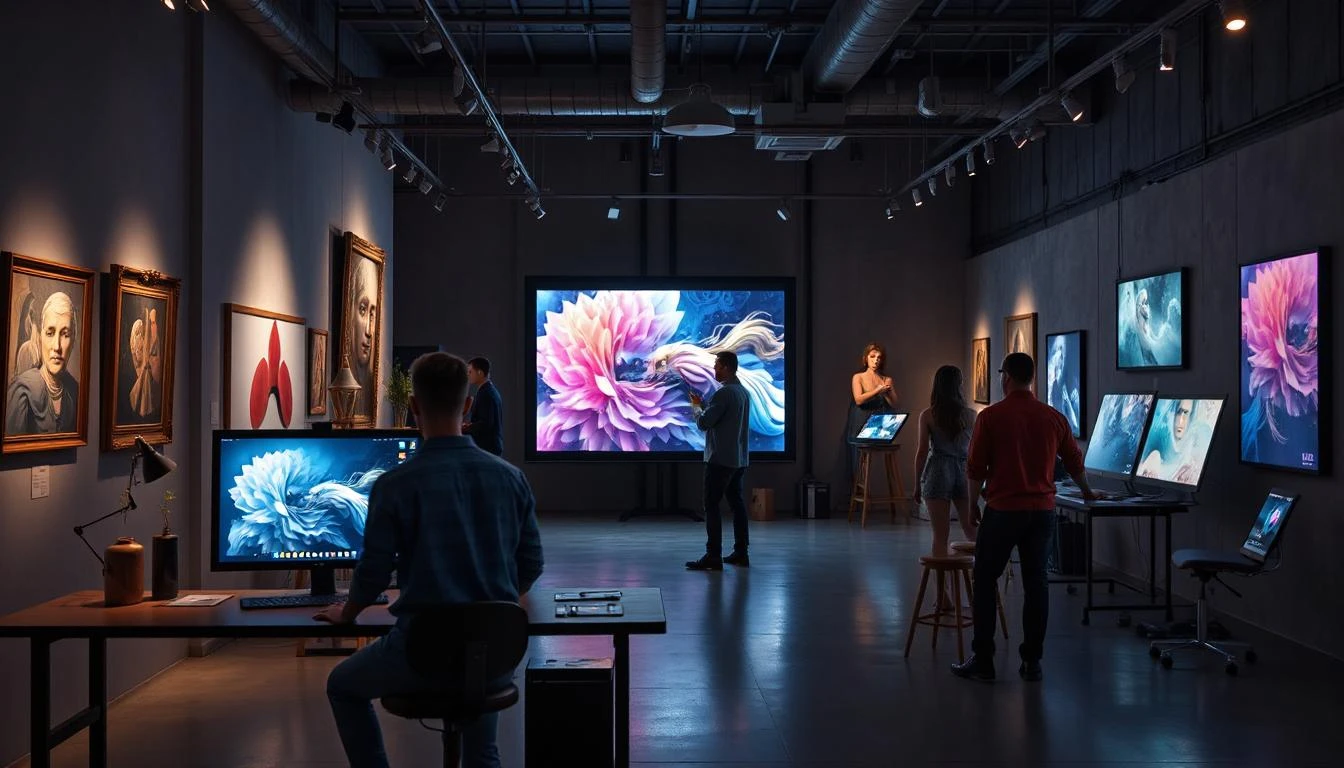
Global Cultural Shift Trends
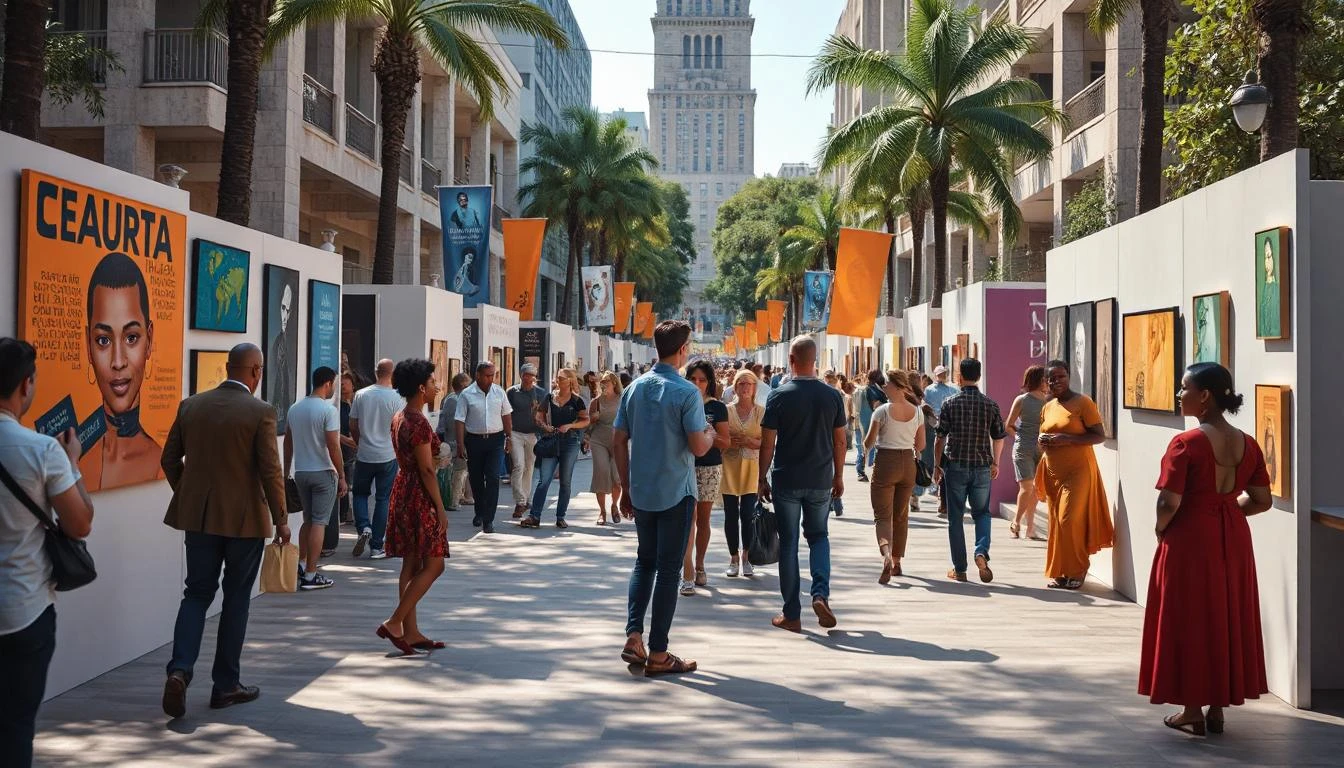
The world is experiencing unprecedented transformation as technology, communication, and consumer behavior continue to evolve at remarkable speed. What once seemed like isolated changes within specific regions are now influencing societies across continents, creating new patterns of interaction, consumption, and cultural expression. For businesses, creators, and consumers alike, understanding these developments has become increasingly important in a globally connected era.
Today, Global Cultural Shift is reshaping how people think, work, shop, communicate, and participate in digital marketplaces around the world. From changing consumer expectations to emerging social values and technological innovation, these transformations are creating new opportunities while redefining the relationship between culture and commerce.
Digital Era Cultural Transformation
The world is changing faster than ever, and culture is evolving alongside technology in ways that were almost unimaginable a decade ago. From the way people communicate and consume information to how they shop, work, and interact with global communities, every aspect of modern life is being reshaped by digital innovation. Understanding these transformations is no longer optional for businesses, creators, and consumers who want to stay relevant in an increasingly interconnected society.
Today, Global Cultural Shift has become one of the most influential forces driving marketplace evolution and consumer behavior worldwide. What once appeared to be local trends can now spread across continents within hours, creating new opportunities, challenges, and expectations for brands and individuals alike. As technology continues to remove geographical barriers, cultural influences travel faster than ever before, shaping the future of global commerce.
The emergence of cultural shift trends is transforming how people define value, trust, identity, and community. These developments are particularly visible within digital marketplaces, where consumers increasingly seek authenticity, transparency, personalization, and meaningful connections with brands.
Management expert Peter Drucker once stated that culture has a stronger influence on organizational success than strategy alone. His observation remains highly relevant today, especially as businesses attempt to understand the rapidly changing expectations of global consumers.
Social Media Shaping Global Culture
Social media has evolved into one of the most powerful cultural forces of the digital age. Platforms that were originally designed for communication now influence purchasing decisions, lifestyle preferences, political conversations, entertainment consumption, and even personal identity.
A viral trend created in one country can quickly become a global phenomenon. This unprecedented speed of information exchange allows cultural movements to gain momentum faster than at any other time in history. For modern marketplaces, social media functions as both a communication channel and a real-time reflection of consumer sentiment.
Streaming Platforms Influencing Lifestyle
Streaming platforms have fundamentally changed how people discover content, learn about different cultures, and develop new interests. Audiences are no longer restricted by local television schedules or regional entertainment options.
Today, viewers can explore international films, documentaries, and series that expose them to diverse perspectives and lifestyles. These experiences often influence fashion trends, travel aspirations, purchasing habits, and even career choices. As a result, streaming services have become significant contributors to cultural transformation across global markets.
Rise of Digital Communities
Digital communities are creating new forms of belonging that extend beyond physical borders. Individuals now connect through shared interests, professional goals, hobbies, and social causes regardless of location.
These communities frequently become the birthplace of emerging trends, innovative products, and new business models. Marketplace brands that actively engage with digital communities often gain valuable insights into consumer preferences before broader market shifts become visible.
Changing Global Values and Behaviors
Cultural transformation extends far beyond technology. It also reflects changing beliefs, priorities, and expectations that influence how people live and make decisions. As societies evolve, global marketplaces must adapt to consumers who increasingly value purpose alongside products.
The influence of cultural shift trends can be seen in purchasing behaviors, workplace expectations, environmental concerns, and social responsibility initiatives. These evolving priorities are encouraging businesses to rethink traditional strategies and develop deeper relationships with their audiences.
Sustainability and Eco Consciousness
Environmental awareness has become a defining characteristic of modern consumer culture. More people are evaluating products based not only on quality and price but also on environmental impact and ethical production practices.
Terms such as sustainable consumption, green economy, ethical sourcing, and eco-conscious living have become increasingly important within global marketplaces. Businesses that demonstrate genuine commitment to sustainability often strengthen consumer trust and long-term loyalty.
Diversity and Inclusion Movements
Diversity and inclusion have moved from corporate aspirations to marketplace expectations. Consumers increasingly support organizations that authentically represent different backgrounds, perspectives, and experiences.
This cultural shift is influencing marketing campaigns, product development, workplace culture, and leadership strategies. Inclusive businesses often find themselves better positioned to connect with wider audiences and adapt to changing societal expectations.
Shift in Work and Lifestyle Culture
The rise of remote work, hybrid employment, and digital entrepreneurship has transformed traditional definitions of work-life balance. People are increasingly prioritizing flexibility, personal fulfillment, and meaningful experiences over conventional career structures.
These lifestyle changes directly impact consumer spending habits, technology adoption, travel preferences, and housing decisions. Global marketplaces are responding by developing products and services that align with these evolving expectations.
Cultural Exchange and Globalization
As digital connectivity expands, cultural exchange continues to accelerate. Ideas, traditions, innovations, and creative expressions move across borders with remarkable speed, creating opportunities for collaboration and mutual learning.
At the same time, globalization is encouraging individuals to embrace multiple cultural influences. This blending of perspectives is shaping new forms of identity and contributing to the ongoing evolution of consumer behavior worldwide.
Cross Cultural Collaboration in Arts
Artists, musicians, designers, and creators are increasingly collaborating across countries and cultures. These partnerships generate unique works that combine different traditions, styles, and creative approaches.
Such collaborations not only enrich artistic expression but also introduce audiences to new perspectives. They demonstrate how cultural diversity can become a powerful source of innovation and creativity within the global marketplace.
Hybrid Cultural Identities
Modern consumers are often influenced by a combination of local traditions and global experiences. Exposure to international media, travel opportunities, and online interactions allows individuals to develop identities that incorporate multiple cultural elements.
This growing phenomenon influences purchasing decisions, entertainment preferences, fashion choices, and lifestyle aspirations. Brands that understand these complex identities are often better equipped to connect with diverse audiences.
Global Influence of Pop Culture
Pop culture continues to serve as one of the strongest drivers of cultural convergence. Music, gaming, fashion, film, and digital entertainment regularly shape global conversations and influence consumer behavior.
According to sociologist Marshall McLuhan, advances in communication technology effectively transform the world into a “global village.” His observation has become increasingly visible as pop culture trends spread rapidly across international markets and influence billions of consumers simultaneously.
Be Part of the Global Cultural Shift Trends Now
The cultural transformations taking place today are not temporary developments. They represent long-term changes that will continue influencing marketplaces, consumer expectations, and business strategies for years to come. Organizations that recognize these shifts early are often better prepared to adapt, innovate, and remain competitive in a rapidly evolving environment.
As futurist Alvin Toffler famously observed, the illiterate of the modern era are not those who cannot read and write, but those who cannot learn, unlearn, and relearn. This perspective highlights the importance of staying informed and embracing change as new cultural patterns continue to emerge across the global marketplace.
The future will belong to individuals and businesses that understand the deeper forces driving cultural transformation. By paying attention to emerging behaviors, digital communities, sustainability movements, and global consumer expectations, new opportunities become easier to identify before they reach the mainstream.
Now is the perfect time to explore, adapt, and become part of the ongoing Global Cultural Shift.