Modern Art History Perspectives
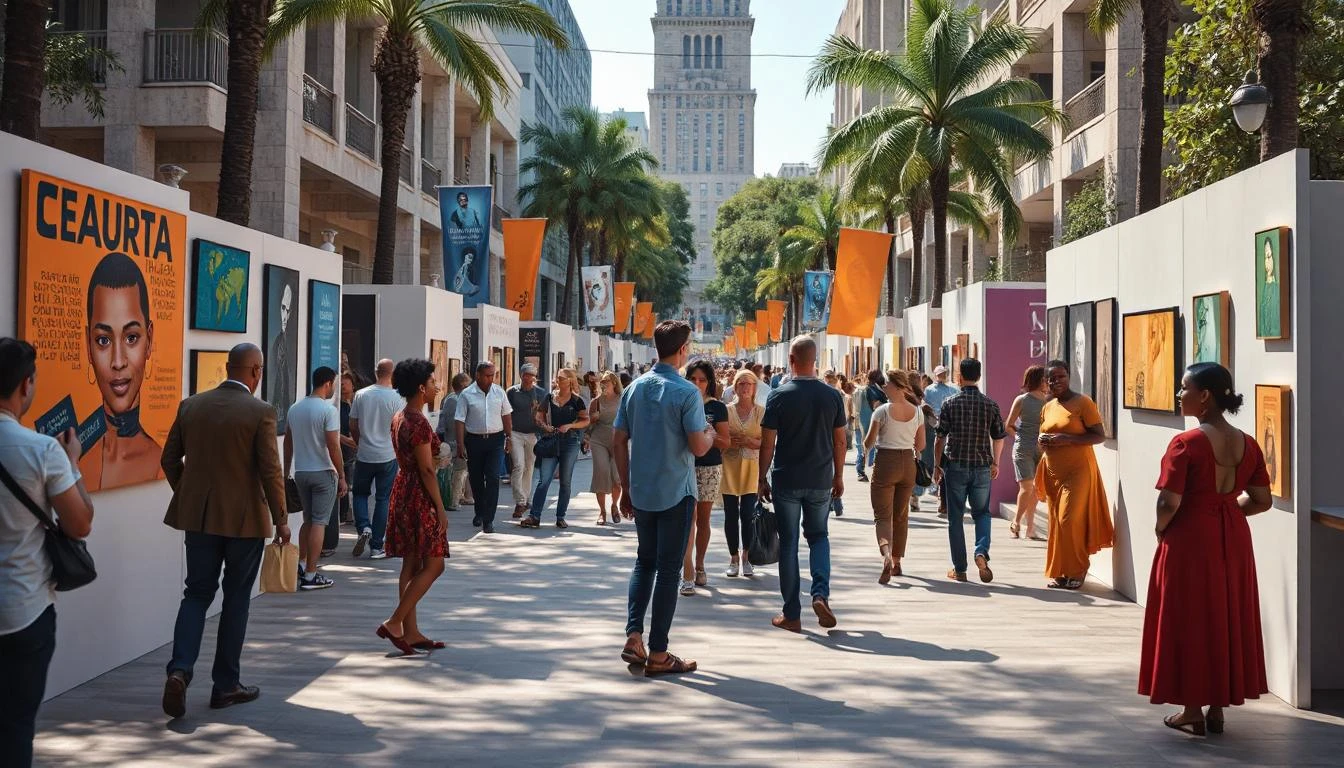
Art has always been more than a reflection of beauty. Across different civilizations and generations, it has served as a powerful medium for expressing ideas, challenging social norms, documenting cultural shifts, and capturing the spirit of an era. As artistic styles evolved alongside technological advancements and societal transformations, new perspectives emerged that forever changed how people create and interpret visual expression.
Understanding Modern Art History means exploring a remarkable journey of innovation, experimentation, and cultural transformation. From the rejection of rigid academic traditions to the emergence of groundbreaking artistic movements, modern art reshaped the creative landscape and influenced the way contemporary audiences perceive identity, politics, technology, and human experience. This evolution continues to inspire artists and art enthusiasts around the world today.
Transition from Classical to Modern Art
Art has never stood still. Across centuries, artists continuously challenged existing norms, experimented with new techniques, and reflected the changing realities of society. Understanding these shifts allows us to see how creative expression evolved from strict academic traditions into something far more dynamic, personal, and influential. As you explore this journey, you may discover that many artistic revolutions began with ideas that were initially rejected or misunderstood.
The story of Modern Art History is not simply about paintings hanging in galleries. It is a fascinating narrative of innovation, cultural transformation, technological advancement, and changing human perspectives. By examining how artists responded to their era, readers can better understand why modern art continues to shape contemporary visual culture around the world.
The development of art history trends reveals how artistic movements emerged in response to social change, industrial growth, and evolving cultural values. Rather than following rigid rules, artists increasingly sought new ways to communicate ideas, emotions, and experiences that traditional methods could not fully express.
Breaking Traditional Artistic Boundaries
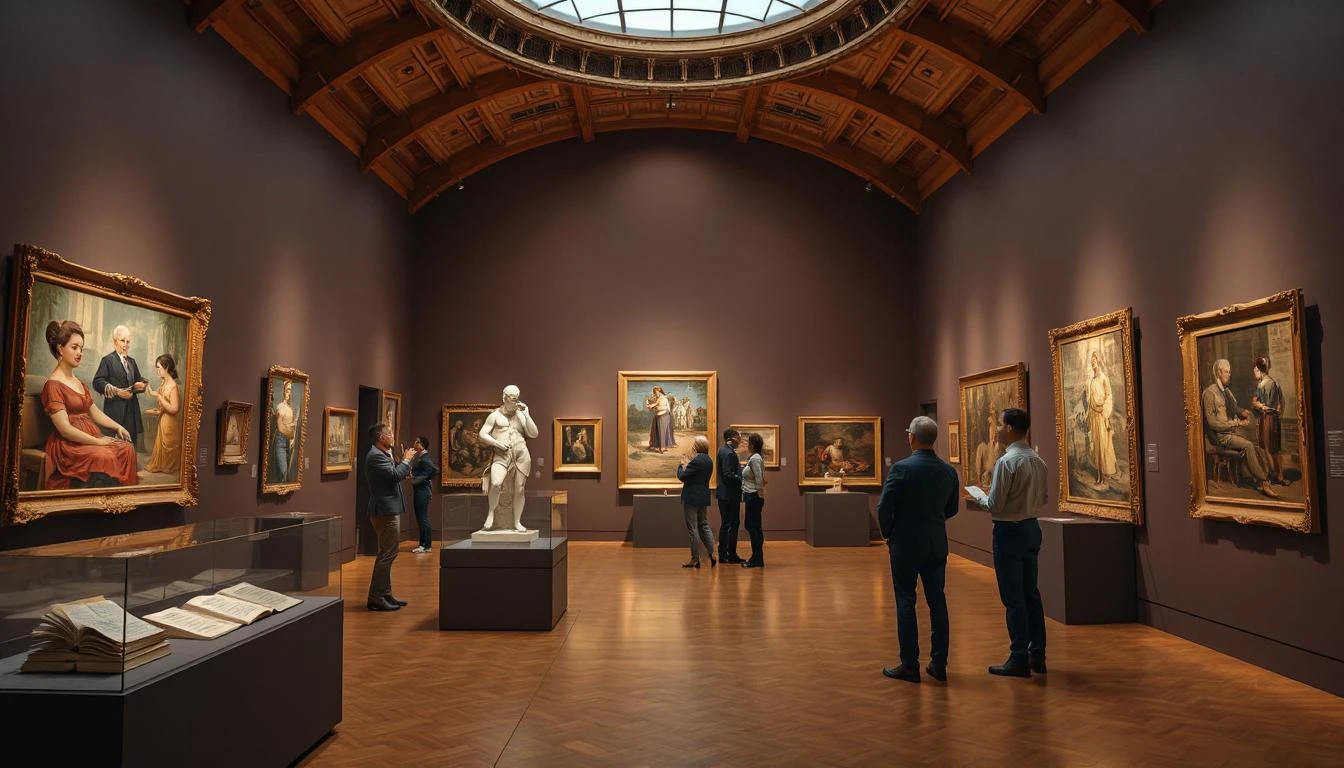
For hundreds of years, classical art emphasized realism, balance, and technical perfection. Artists were expected to follow established conventions that dictated how subjects should be represented. While these principles produced remarkable masterpieces, they also limited creative experimentation.
As society evolved, many artists began questioning these restrictions. Impressionists, Symbolists, and Post-Impressionists explored light, emotion, and subjective perception instead of strict realism. Their willingness to challenge convention transformed artistic practice and encouraged future generations to explore new creative possibilities.
This willingness to break boundaries became one of the defining characteristics of modern art. Rather than reproducing reality exactly as it appeared, artists focused on expressing how reality felt, creating deeper emotional connections with viewers.
Influence of Industrial Revolution
The Industrial Revolution dramatically altered everyday life and became a powerful force behind artistic change. Rapid urbanization, technological innovation, and economic transformation introduced entirely new subjects for artistic exploration.
Artists found inspiration in crowded cities, railways, factories, and modern lifestyles. These developments encouraged creators to document contemporary experiences rather than relying solely on historical, religious, or mythological themes.
The influence of industrialization also expanded access to artistic materials and facilitated cultural exchange between regions. New ideas traveled faster, allowing artistic movements to spread beyond national borders and influence broader creative communities.
Rise of Abstract Expressionism
As modern art progressed, many artists moved away from recognizable imagery altogether. Abstract Expressionism emerged as one of the most influential artistic movements of the twentieth century, emphasizing emotion, spontaneity, and individual expression.
Instead of depicting specific objects or scenes, artists used color, texture, and gesture to communicate meaning. This approach encouraged viewers to interpret artworks through personal experience rather than predetermined narratives.
The movement demonstrated that art could exist beyond representation. Its influence continues to shape contemporary painting, visual design, and experimental artistic practices today.
Contemporary Art Movements
Modern art opened doors to countless new forms of creative expression. As technology, communication, and global interaction expanded, artists found innovative ways to challenge traditional definitions of art and engage audiences in entirely new experiences.
Current art history trends continue to reflect this spirit of innovation. Contemporary creators frequently combine traditional craftsmanship with conceptual thinking, digital tools, and cross-cultural influences to produce works that resonate with modern audiences.
Conceptual and Installation Art
Conceptual art shifted attention away from physical objects and toward the ideas behind them. In many cases, the concept itself became the artwork's most important element.
Installation art further expanded creative possibilities by transforming entire spaces into immersive environments. Rather than simply observing a work of art, visitors become active participants within the artistic experience.
These approaches encourage audiences to think critically about meaning, interpretation, and the role of art in contemporary society.
Digital and Media Based Art Forms
Technology has introduced entirely new creative mediums that continue to reshape artistic practice. Digital illustration, virtual reality, augmented reality, interactive installations, and artificial intelligence have become increasingly important within contemporary visual culture.
Many artists now combine traditional techniques with emerging technologies to create experiences that would have been impossible only a few decades ago. These developments represent some of the most significant transformations in modern artistic expression.
As digital platforms become more integrated into daily life, media-based art continues to reach wider audiences and redefine how creative works are produced, shared, and experienced.
Globalization of Art Culture
Globalization has connected artists, institutions, and audiences across continents. Creative ideas can now spread internationally within moments, encouraging collaboration and cultural exchange on an unprecedented scale.
Contemporary artists often draw inspiration from multiple traditions, blending influences from different regions into unique forms of expression. This interconnected environment enriches artistic diversity and expands opportunities for innovation.
The globalization of art culture demonstrates how creativity can transcend geographic boundaries while still preserving cultural identity and historical context.
Cultural and Historical Interpretation
To fully appreciate modern art, it is important to look beyond aesthetics and consider the cultural, social, and historical circumstances that shaped each work. Every artwork reflects a broader story about the people, values, and events of its time.
As renowned art historian John Berger observed, "The way we see things is affected by what we know or what we believe." His insight highlights how interpretation plays a crucial role in understanding artistic meaning and cultural significance.
Art as Social Commentary
Modern artists have often used their work to address social issues, challenge assumptions, and encourage public discussion. Through symbolism, abstraction, and experimentation, they communicate perspectives that might otherwise remain unheard.
Art serves as a visual record of societal change, documenting everything from economic inequality and migration to technological progress and cultural transformation. These works invite audiences to reflect on the world around them and consider alternative viewpoints.
By functioning as social commentary, modern art remains relevant long after its creation, continuing to inspire dialogue across generations.
Political Influence in Modern Art
Political events have profoundly influenced artistic development throughout modern history. Wars, revolutions, ideological conflicts, and social movements have all inspired powerful creative responses.
Artists frequently use visual language to question authority, advocate reform, or document historical realities. Their works often capture emotional truths that traditional historical records cannot fully convey.
Political themes remain highly visible in contemporary art, demonstrating the enduring relationship between creative expression and societal change.
Identity and Representation in Artworks
Questions of identity have become increasingly important within modern and contemporary art. Artists explore themes related to gender, ethnicity, culture, memory, and personal experience to better understand the complexities of human existence.
Through these explorations, artworks help challenge stereotypes and amplify perspectives that have historically received limited representation. This growing emphasis on inclusivity enriches artistic discourse and broadens cultural understanding.
Art historian E.H. Gombrich famously stated, "There really is no such thing as Art. There are only artists." This perspective reminds us that every artwork ultimately reflects individual experiences, choices, and interpretations of the world.
Discover Modern Art History Perspectives Today
The journey through modern art reveals far more than stylistic changes or famous movements. It uncovers stories of innovation, resistance, cultural transformation, and human creativity. From the first challenges to classical traditions to today's digital artistic experiments, modern art continues to evolve alongside society itself.
As you explore these artistic developments, it becomes clear that understanding modern art is also a way of understanding history, culture, and the changing nature of human expression. The next time you encounter an artwork that seems unusual or challenging, consider the ideas, experiences, and historical forces behind it. You may discover a perspective that changes the way you see the world.
If you want to deepen your appreciation of art and culture, keep exploring the fascinating world of Modern Art History and the evolving art history trends that continue to shape creative expression today.