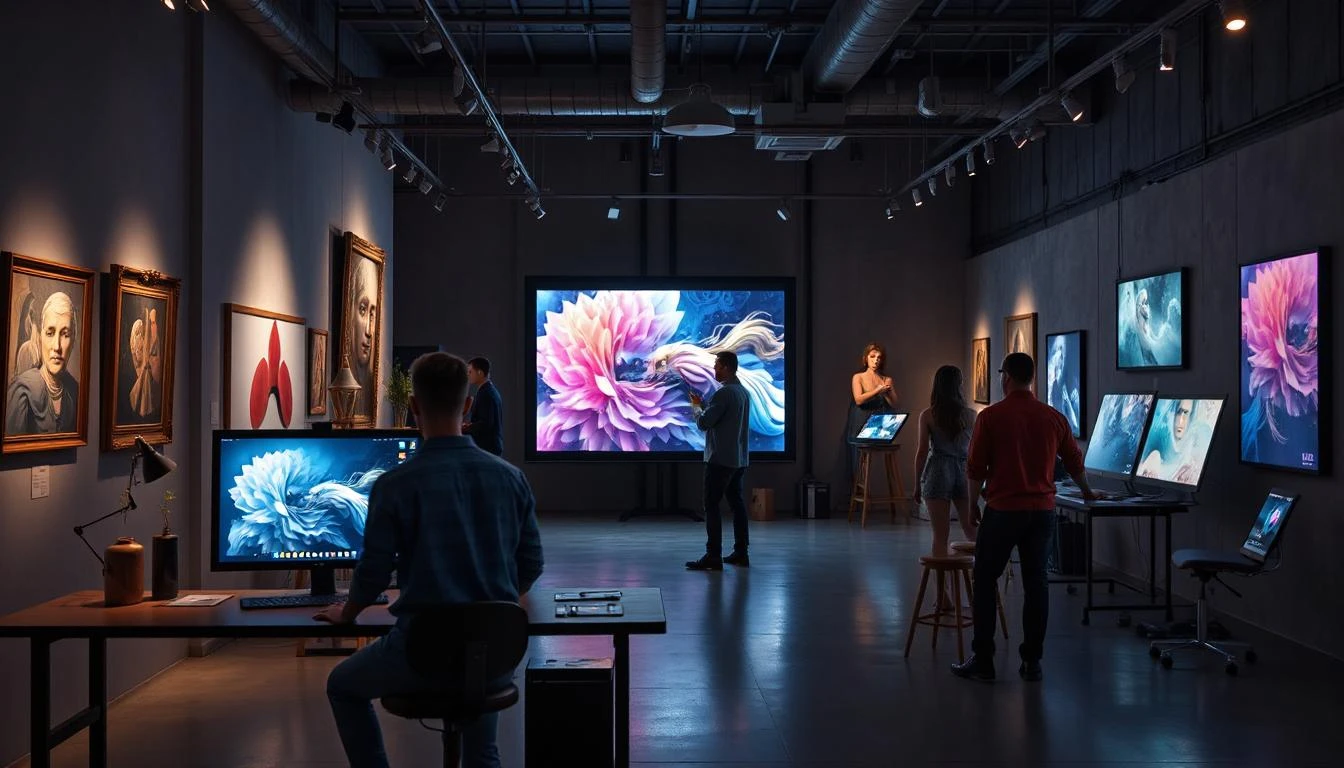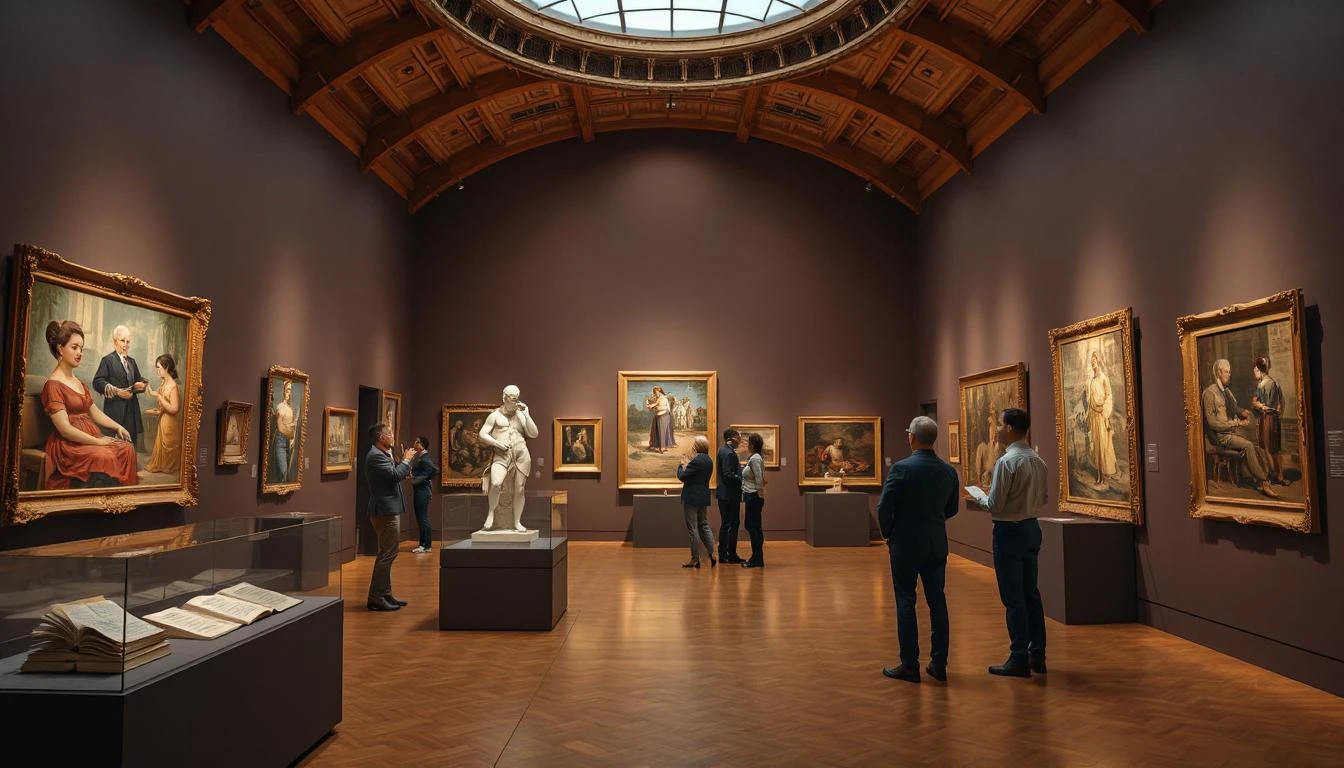
Creative Design Innovation Trends
The creative landscape is evolving faster than ever before. Businesses, creators, and global brands are constantly searching for fresh ways to capture attention, build stronger customer relationships, and remain relevant in an increasingly competitive digital environment. What worked a few years ago may no longer be enough today, making innovation an essential component of long-term success.
As industries continue to embrace digital transformation, Creative Design Innovation has emerged as a critical factor in shaping customer experiences, strengthening brand identity, and driving sustainable growth across the global marketplace. Organizations that successfully combine creativity, technology, and strategic thinking are often the ones that lead emerging trends rather than simply follow them.
Evolution of Creative Design Thinking
The creative industry is experiencing a remarkable transformation driven by changing consumer expectations, emerging technologies, and the increasing demand for personalized experiences. Across the global marketplace, businesses are no longer relying solely on traditional design methods. Instead, they are embracing innovative approaches that combine creativity, technology, and strategic thinking to build stronger connections with their audiences.
In today's competitive landscape, Creative Design Innovation has become a crucial factor that influences how brands communicate, differentiate themselves, and create lasting impressions. Whether in digital platforms, e-commerce ecosystems, or global marketplaces, innovative design strategies are helping businesses adapt to rapid market changes while delivering more meaningful customer experiences.
The rapid growth of design innovation trends is encouraging organizations to rethink how ideas are developed and transformed into products, services, and experiences. As customer expectations continue to evolve, companies that successfully blend creativity with technology are positioning themselves ahead of competitors and creating new opportunities for sustainable growth.
Before exploring specific methodologies and technologies, it is important to understand how modern design thinking has evolved into a strategic business function that drives innovation across industries.
Human Centered Design Approach
Human-centered design has become the foundation of modern creative processes. Rather than focusing exclusively on products or visual aesthetics, this approach prioritizes the needs, behaviors, and expectations of real users.
By placing people at the center of the design journey, organizations can uncover valuable insights that lead to more intuitive and impactful solutions. This methodology encourages continuous testing, feedback collection, and refinement, ensuring that the final outcome aligns with user needs.
According to design consultant Tim Brown, Executive Chair of IDEO, "Design thinking is a human-centered approach to innovation." This perspective highlights why empathy remains one of the most powerful tools for creating products and experiences that resonate with audiences in highly competitive markets.
Integration of Data Driven Creativity
While creativity remains essential, successful design decisions are increasingly supported by data. Businesses now have access to consumer behavior insights, analytics platforms, and market intelligence that help guide creative direction.
Data-driven creativity allows designers to identify patterns, understand audience preferences, and optimize experiences based on measurable outcomes. Instead of replacing imagination, data enhances decision-making by providing evidence that supports strategic creative choices.
This combination of analytical thinking and creative exploration enables brands to develop solutions that are both innovative and highly relevant to customer expectations.
Cross Disciplinary Collaboration
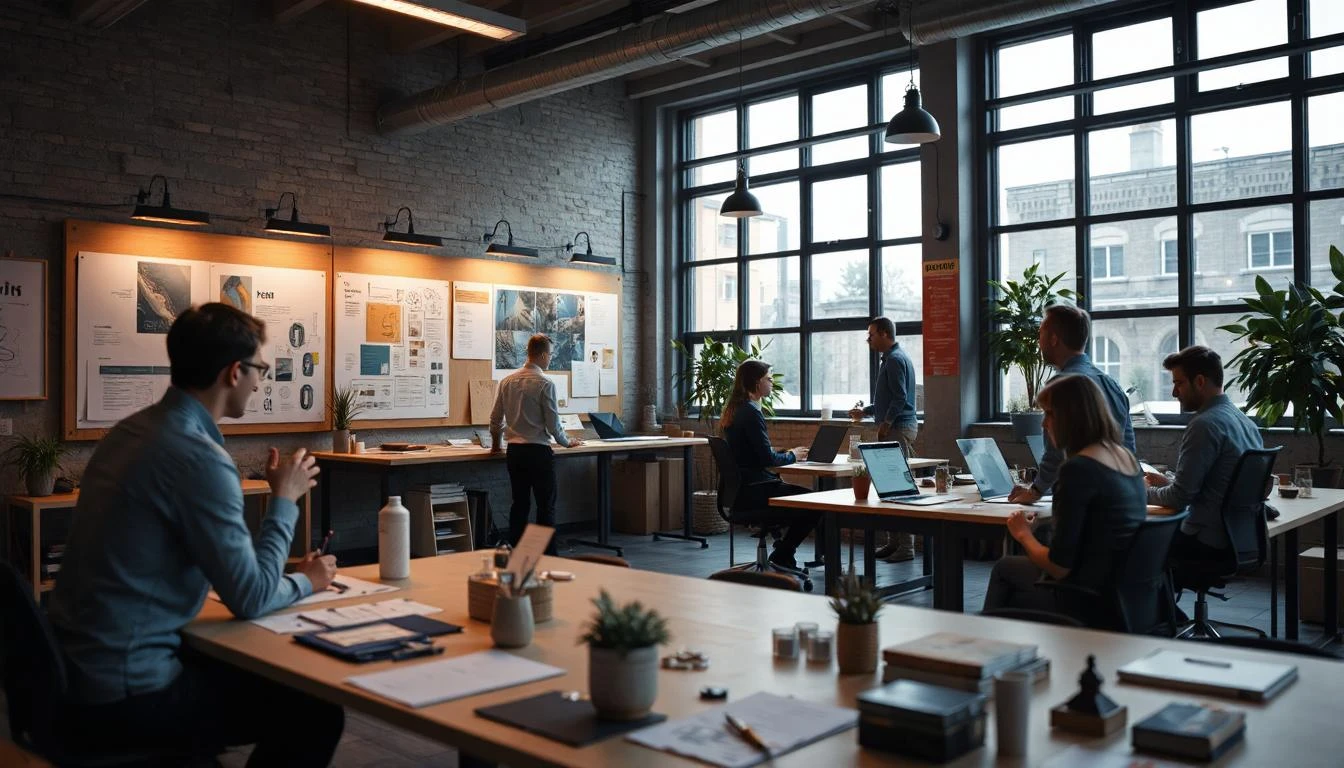
Innovation rarely happens in isolation. The most successful creative projects often emerge from collaboration between designers, marketers, developers, business strategists, and data analysts.
Cross-disciplinary collaboration encourages the exchange of ideas from multiple perspectives, resulting in more comprehensive solutions. When diverse expertise is combined, organizations are better equipped to solve complex challenges and identify new growth opportunities.
As industries become increasingly interconnected, collaborative innovation is becoming a critical driver of long-term success.
Modern Design Technologies
Technology continues to reshape how creative professionals work, opening the door to new possibilities that were unimaginable just a few years ago.
Today, businesses are investing heavily in digital tools that accelerate workflows, improve efficiency, and unlock entirely new forms of creative expression. These advancements are not replacing human creativity but amplifying its potential.
AI Assisted Design Workflows
Artificial intelligence is transforming the design landscape by automating repetitive tasks and supporting creative ideation.
Designers can now generate concepts, optimize layouts, analyze user behavior, and streamline production processes using AI-powered tools. This allows creative teams to spend more time focusing on strategy, storytelling, and innovation.
As AI technologies continue to evolve, their role within creative industries is expected to expand significantly, making design processes faster and more adaptable than ever before.
Generative Design Systems
Generative design systems use algorithms to create multiple design variations based on predefined goals and parameters.
This approach enables teams to explore a broader range of possibilities while reducing the time required for experimentation. Businesses can quickly evaluate different concepts and identify the most effective solutions before moving into production.
The growing popularity of generative design reflects a broader shift toward intelligent systems that support creativity through computational power.
Interactive Prototyping Tools
Interactive prototyping has become an essential component of modern design workflows. These tools allow teams to simulate digital experiences before development begins, reducing risk and improving product quality.
Through early testing and feedback collection, organizations can identify usability issues and make informed improvements. This iterative process leads to more effective products and stronger user satisfaction.
Visual Communication Trends
As digital content becomes increasingly competitive, visual communication plays a more important role than ever in capturing attention and influencing audience perception.
Brands must continuously adapt their visual strategies to remain relevant while maintaining clarity, consistency, and authenticity across all channels.
Bold Typography and Branding Styles
Typography is no longer just a functional element. It has become a powerful branding tool capable of expressing personality, emotion, and differentiation.
Many brands are embracing oversized fonts, distinctive typefaces, and expressive visual identities that help create memorable experiences. These approaches strengthen recognition while allowing organizations to stand out in crowded marketplaces.
Motion Graphics in Digital Media
Motion graphics continue to gain momentum across websites, social media platforms, and digital advertising campaigns.
By incorporating movement into visual storytelling, brands can communicate complex messages more effectively and increase audience engagement. Motion elements help guide attention while creating more immersive digital experiences.
Minimalist Yet Expressive Layouts
Minimalism remains a dominant design philosophy, but modern implementations focus on balancing simplicity with personality.
Clean layouts improve usability and readability while allowing carefully selected design elements to create emotional impact. The result is a visual experience that feels sophisticated without becoming overwhelming.
As Steve Jobs famously stated, "Design is not just what it looks like and feels like. Design is how it works." This principle continues to influence designers who seek to balance aesthetics with functionality in every project.
Stay Ahead in Creative Design Innovation Trends
The future of design belongs to organizations that are willing to embrace change, experiment with new technologies, and continually refine their creative processes.
As global marketplaces become more competitive, businesses that invest in Creative Design Innovation will be better positioned to anticipate customer needs, adapt to emerging trends, and create meaningful experiences that drive long-term growth.
The most exciting aspect of modern design is that innovation is no longer limited to large corporations. Today, creators, entrepreneurs, and businesses of all sizes have access to tools and strategies that can transform ideas into impactful solutions.
If there is one takeaway from these evolving trends, it is that creativity and innovation are becoming inseparable from business success. The organizations that remain curious, adaptable, and customer-focused will continue to shape the future of design in the years ahead.
Now is the perfect time to explore new creative possibilities and rethink how innovation can elevate your next project.